
How to Save for a Down Payment in Oklahoma City
07/29/2026
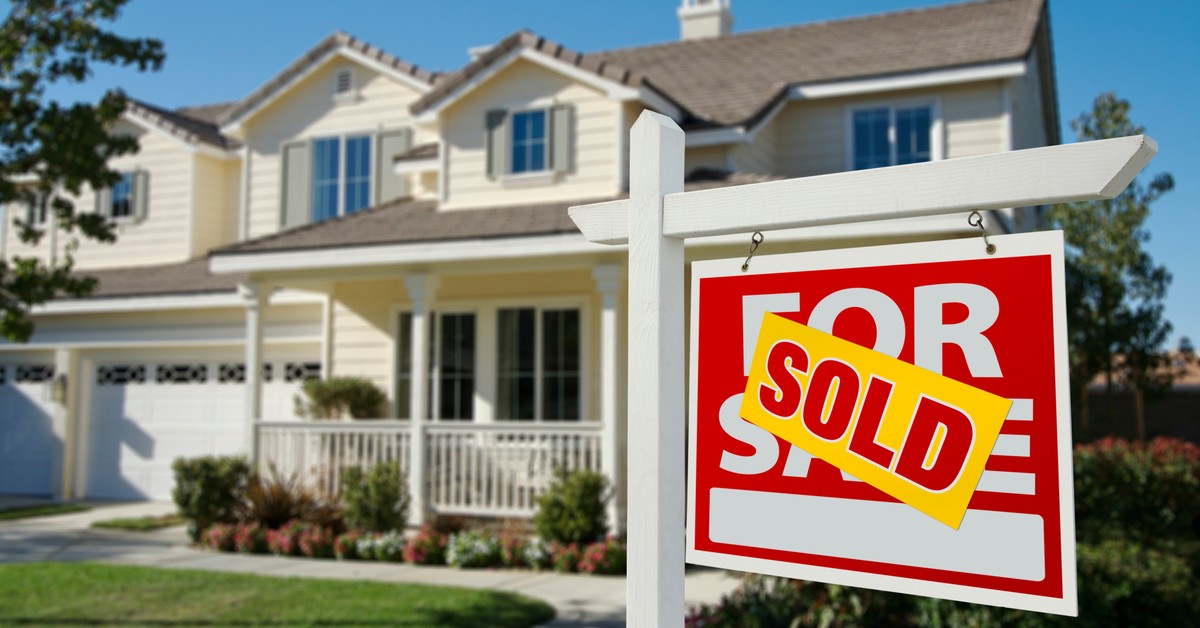
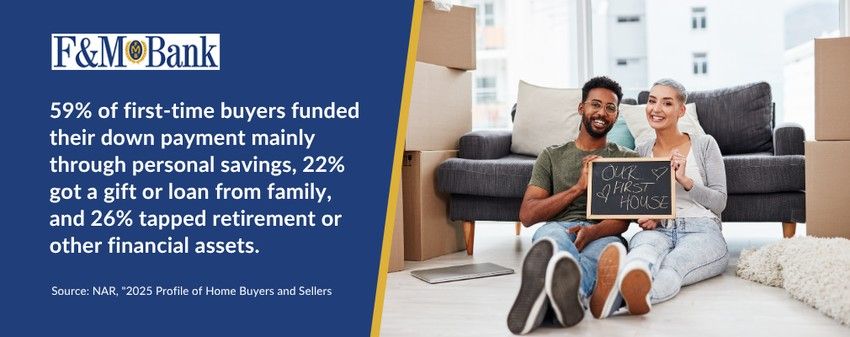
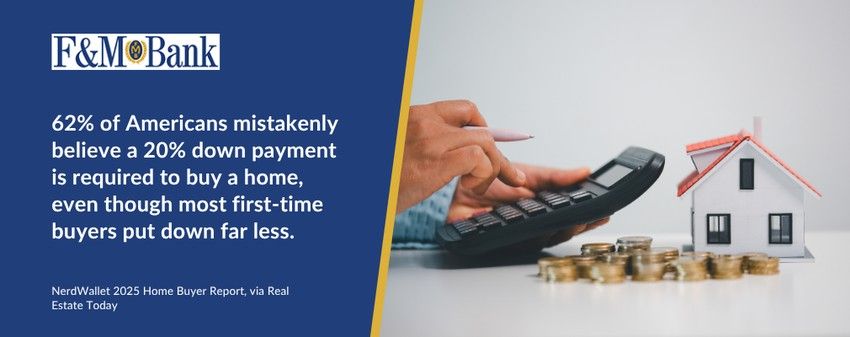
For first-time homebuyers in Oklahoma City, a down payment is one of their biggest hurdles. While a 20% down payment is often mentioned as a rule of thumb, it’s more of a recommendation than a requirement. Among first-time homebuyers in the U.S., the median down payment on a home is actually around 10%.
If you’re considering how to save for a house down payment, there are Oklahoma home buyer programs that can help you obtain an affordable mortgage with a low down payment. Of course, you’ll still need a savings plan to help you reach your goal. As you start saving up to buy a home, keep in mind that even small but consistent changes in your household spending can add up to a significant amount over time.
1. Know Your Target Number
According to Redfin, the median sale price of a home in Oklahoma City is $270,000. Of course, your own cost will depend on the type of home you’re looking for and the location. Even if you’re in the early stages of planning to buy a home, we recommend checking out listings online and doing a bit of research to get an idea of what homes are selling for and where you’d like to live based on local schools and other amenities.
2. Start With What You Can Control
Review and revise your monthly budget or create one if you haven’t already. Keep track of your spending habits and separate your “wants” and “needs.” Things like rent, insurance, food, and clothing are essentials, but see what you can do to cut back on spending and increase savings. Try keeping track of every dollar you and your family spend over a month, then sit down and add it all up. Even small expenses can become significant drains on your funds over time, and seeing where your money goes gives you an idea of where you can save. A general rule of thumb is to spend 50% of your income on basic needs, 30% on wants, and 20% on savings or debt reduction. We can break this down to:
- Needs: Rent/mortgage, insurance, transportation, groceries, clothing, and phone/Internet.
- Wants: Restaurant or take-out meals, streaming services, gym memberships, jewelry, vacations, etc.
- Savings and debt: Mortgage, credit cards, and other loans vs. an education fund, retirement savings, and saving up to buy a home.
3. Make Your Savings Visible (and Separate)
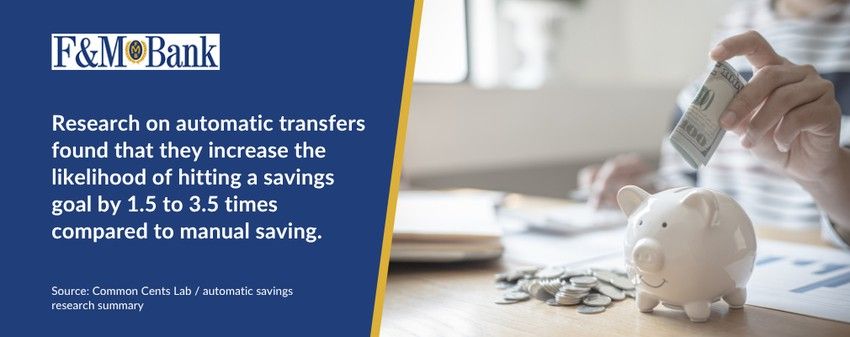
One of the more effective ways of saving money is to automate your savings. Many of our customers have part of each paycheck automatically transferred from their checking account to a savings account with each pay period, once a week, or once a month. You could also open a dedicated savings account that you use just for your goal of saving up for a down payment. By using your checking account to pay your bills and cover your everyday spending, and leaving your savings account alone, this can serve as a natural curb on any spending impulses. You can also watch your savings grow over time, from interest payments and your own contributions, which gives you a real sense of progress and motivation.
4. Cut Smarter, Not Harder
When it comes to saving money and cutting back on expenses, try to be as realistic as possible when drafting your monthly budget. It could take time for your family to adjust to these lifestyle changes, so try to find an approach that you’ll actually stick with. Many people have more than one streaming service that they don’t use very much and could cancel for a while. Bringing your own lunch to work or school and cooking dinners at home can save you a considerable amount over time. Also, take a close look at your phone and Internet services and do some comparative shopping. Switching providers or canceling a service (such as cable) could also help.
5. Don’t Wait for Perfect Timing
As your savings accumulate and you get closer to reaching your dream, it can be tempting to wait for the “perfect moment” to buy a home. Some people put off a decision, hoping for interest rates to drop, or they wait until it’s a clear “buyer’s market” that gives them the best possible opportunity. Things like interest rates and the housing market can be very hard to predict, even for seasoned economists and realtors. As long as your employment and income are stable, the best time to buy a home might come down to the point when you find a place you like that you can afford.
FAQs
How much do I actually need for a down payment?
For conventional loans, the minimum down payment is typically 3%. With some first-time home buyer programs, the minimum down payment in Oklahoma is actually zero. With a conventional mortgage, you would need at least a 20% down payment to avoid private mortgage insurance (PMI), which is an additional fee added to your mortgage premiums. Many first-time homebuyers accept that the PMI fee is a way to buy their dream home and invest in a property.
Are there programs for first-time buyers in Oklahoma City?
Yes, we have our own first-time homebuyer program, and there are government-backed loans that require little to no down payment as well:
- F&M Bank's first-time homebuyer program, Open Door, can help individuals and families in Oklahoma, Canadian, Logan, and Kingfisher counties who may face financial obstacles buying their first home or have not owned a home within the past three years. This program offers 100% financing with no down payment and other benefits.
- The Oklahoma Housing Finance Agency (OHFA) offers federally-backed mortgages provided by the Federal Housing Administration (FHA) that can reduce your down payment to just 3.5% of your mortgage. For more information, see our webpage on FHA Home Loans.
- Active-duty military service members, veterans with honorable discharges, and some surviving spouses can obtain a mortgage backed by the U.S. Department of Veterans Affairs with up to 100% financing, no down payment required, and no mortgage insurance.
- The U.S. Department of Agriculture’s Rural Development Guaranteed Housing Loan Program offers home mortgages with no down payment for low and moderate-income families in rural and suburban areas. Please check out the USDA loan page on our website for more information.
Is it better to wait and save more?
That’s really up to you, and it depends on your situation. We suggest you take a look at the home-buying programs in Oklahoma (listed above) to see what you might be eligible for, and to check out real estate listings online to get an idea of what’s available.
What’s the minimum down payment?
If you qualify for certain government-backed loans, you might be able to buy a home with no down payment. Otherwise, you’ll probably need at least a 3% down payment for a conventional mortgage, although one of our mortgage lenders can help you figure out the best options.
Contact a Lender to Discuss Your Mortgage Options
If you have any questions about how to buy a home in Oklahoma City or which type of mortgage might be right for you, please contact us online or connect with one of our branches in Oklahoma City and the surrounding area.